Gadgets, Gizmos and Great Care with Dr. Heather
There are so many digital devices out there, from smartwatches and rings to medical sensors and research tools. With a seemingly endless supply of new devices, it can be hard to know what’s what! Dr. Heather is here to help you understand how these technologies can support your heart health, and how you can get involved!
When it comes to digital health devices, there are a few key categories.
- Consumer-grade products, like smartwatches or rings, are designed for everyday wellness tracking.
- Medical-grade devices meet stricter standards for accuracy and are approved for clinical use by healthcare providers.
- Research devices are new technologies or tests that are not yet consumer or medical-grade and being tested against that “gold standard” to improve future care.
Each type plays a unique role in helping us better understand and manage heart health.
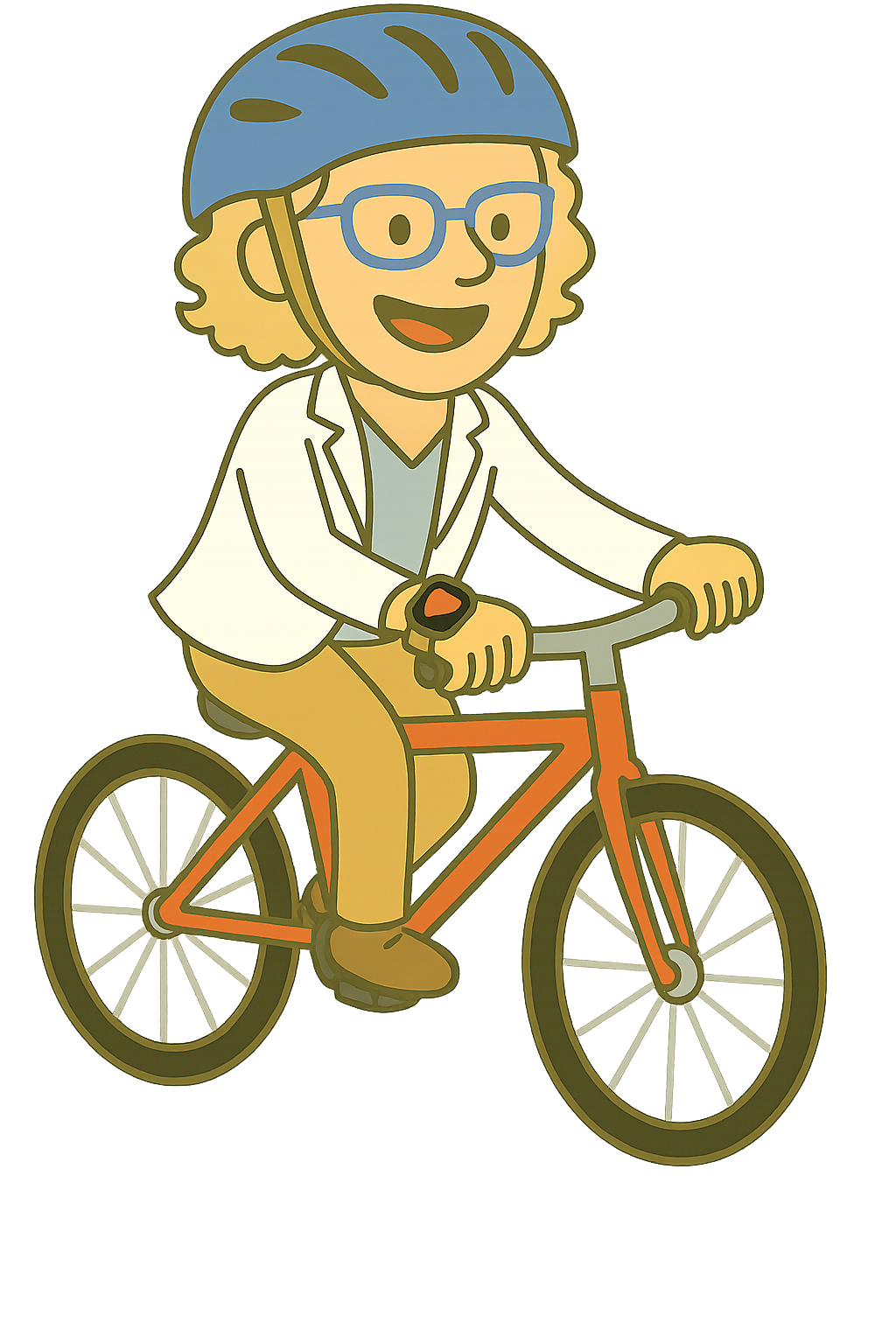
Consumer-Grade Products
Smart Watches
Smartwatches can do more than just tell time; they can help you keep an eye on your heart! Often, these watches will track things like your heart rate, activity, sleep, and even irregular rhythms. These features can give you helpful insights into your daily health and habits, supporting you in staying active and managing your heart health.
How can I get involved?
If you’re a patient at the Peter Munk Cardiac Centre’s Heart Function Clinic and use an Apple Watch, you may be eligible to join a pilot project that connects your watch to your UHN MyChart account. Ask your cardiologist to learn more!
Consumer-Grade Products
Smart Rings
Smart rings are small but powerful tools for keeping tabs on your health. Worn comfortably on your finger, they can track things like heart rate, sleep, temperature, and activity. By giving you insights into your body’s patterns, smart rings can help you better understand your heart health and overall wellbeing – all from a tiny, discreet device.
How can I get involved?
Interested in learning more about smart rings and how they might support your heart health? Keep an eye on the Studies in Recruitment page to see when new research opportunities become available.

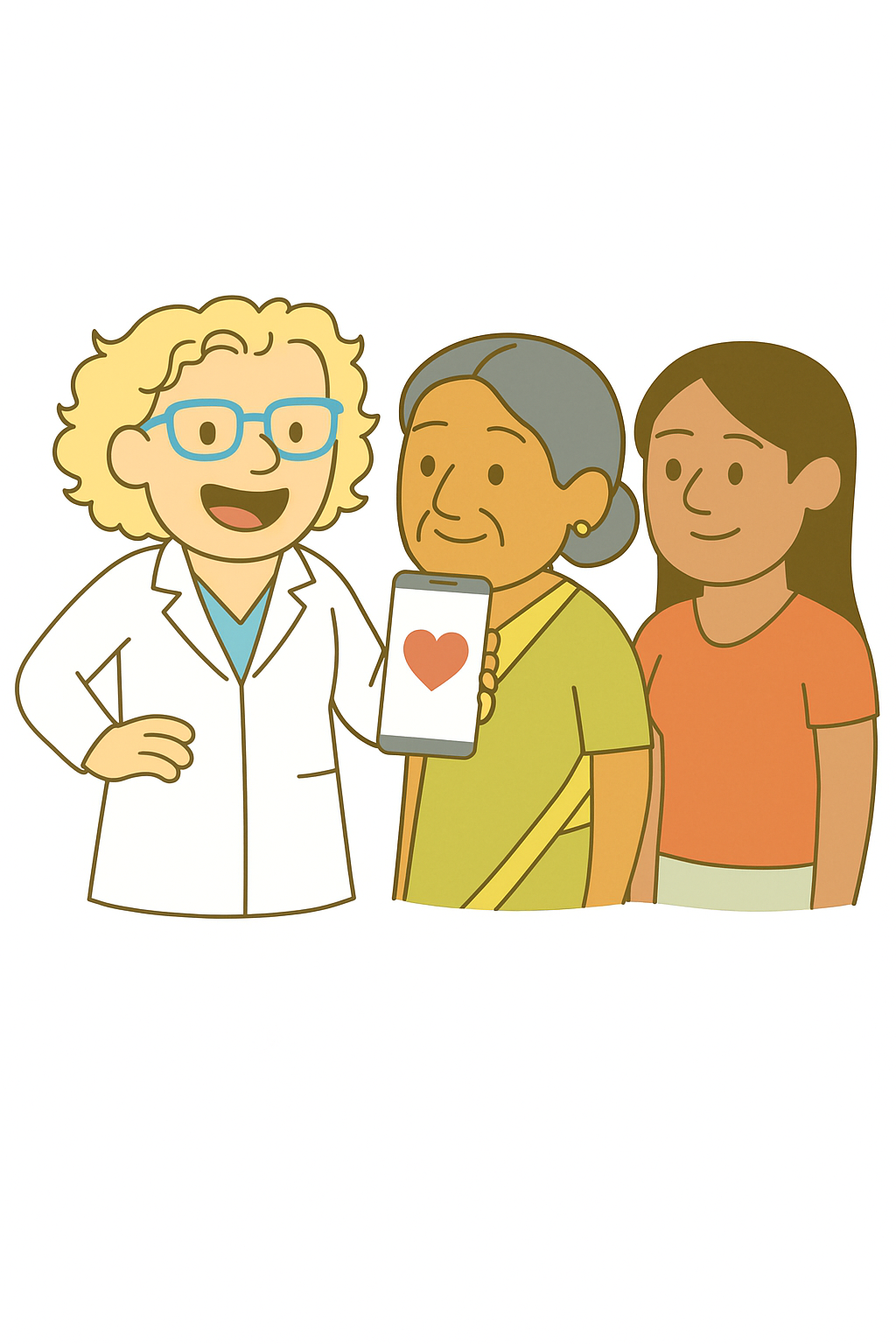
Medical-Grade Devices
Remote Management Apps
Remote management apps make it easier to stay connected with your care team and keep track of your heart health from home. These apps can help you monitor symptoms, track medications, and record blood pressure or weight, and may even share updates directly with your clinic. By staying engaged between visits, you and your care team can catch changes early and make more informed decisions about your care.
How can I get involved?
If you’re a patient at the Peter Munk Cardiac Centre’s Heart Function Clinic, you may be eligible to participate in the Medly self-management program. Medly empowers you to take control of your heart health by offering daily self-care guidance and direct access to your care team from home. Monitor your heart failure, receive personalized feedback, and stay connected with your care team when you need it most. Visit the Clinics and Referrals page to learn more.
Medical-Grade Devices
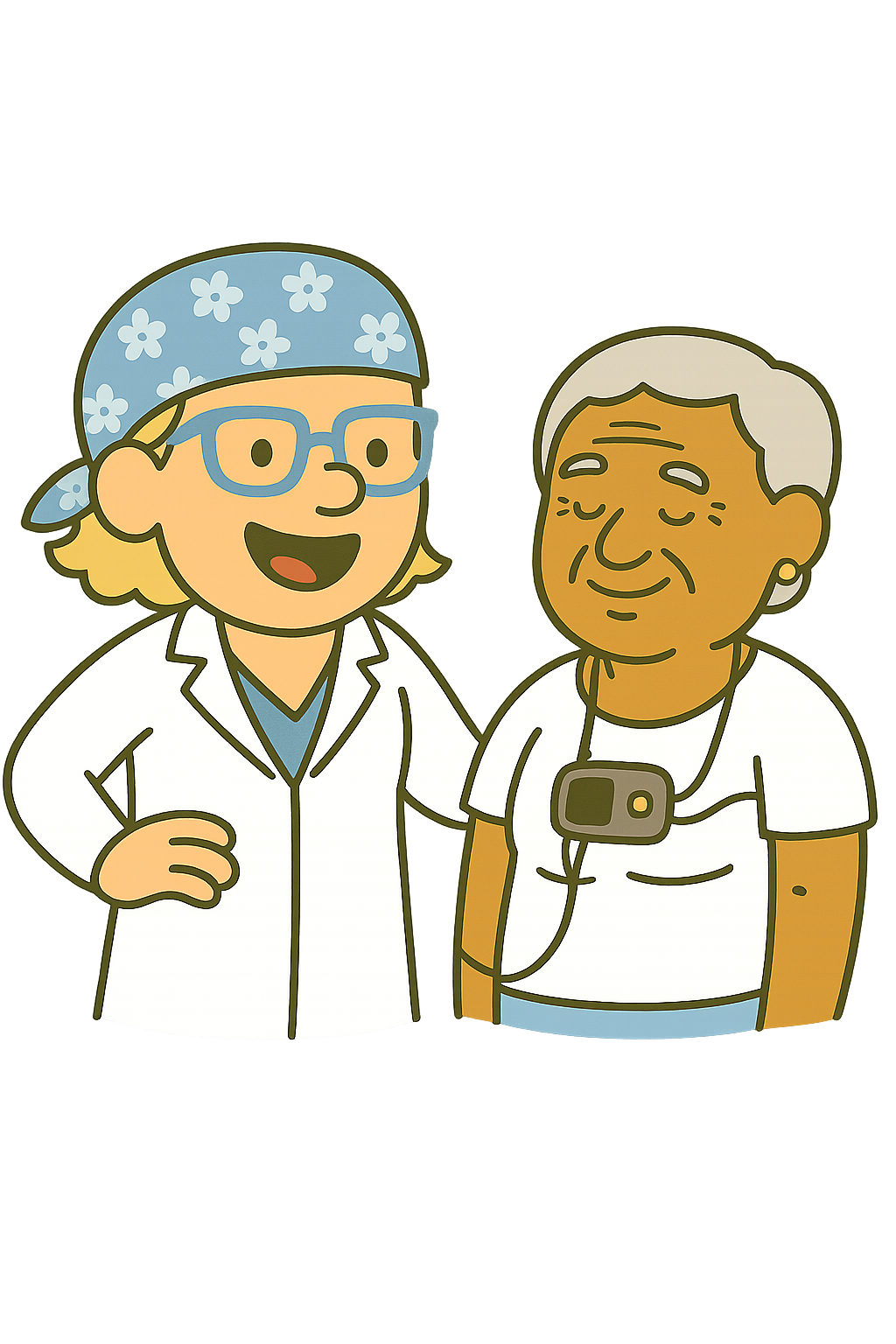
Portable Holter Monitors
Portable Holter monitors are lightweight, wearable devices that continuously record your heart’s electrical activity, for periods ranging from 24 hours to 2 weeks. They’re typically worn on your chest with small stickers (electrodes) connected to a tiny recorder you clip to your waistband or wear around your neck. While you go about your normal daily activities, the monitor captures every heartbeat, helping your care team detect irregular rhythms, pauses, or other heart changes that might not show up during a quick clinic test. This simple, non-invasive tool provides valuable insights to guide your care and treatment plan.
How can I get involved?
Your cardiologist or another member of your care team may prescribe a portable Holter monitor as part of your heart testing.
Medical-Grade Devices
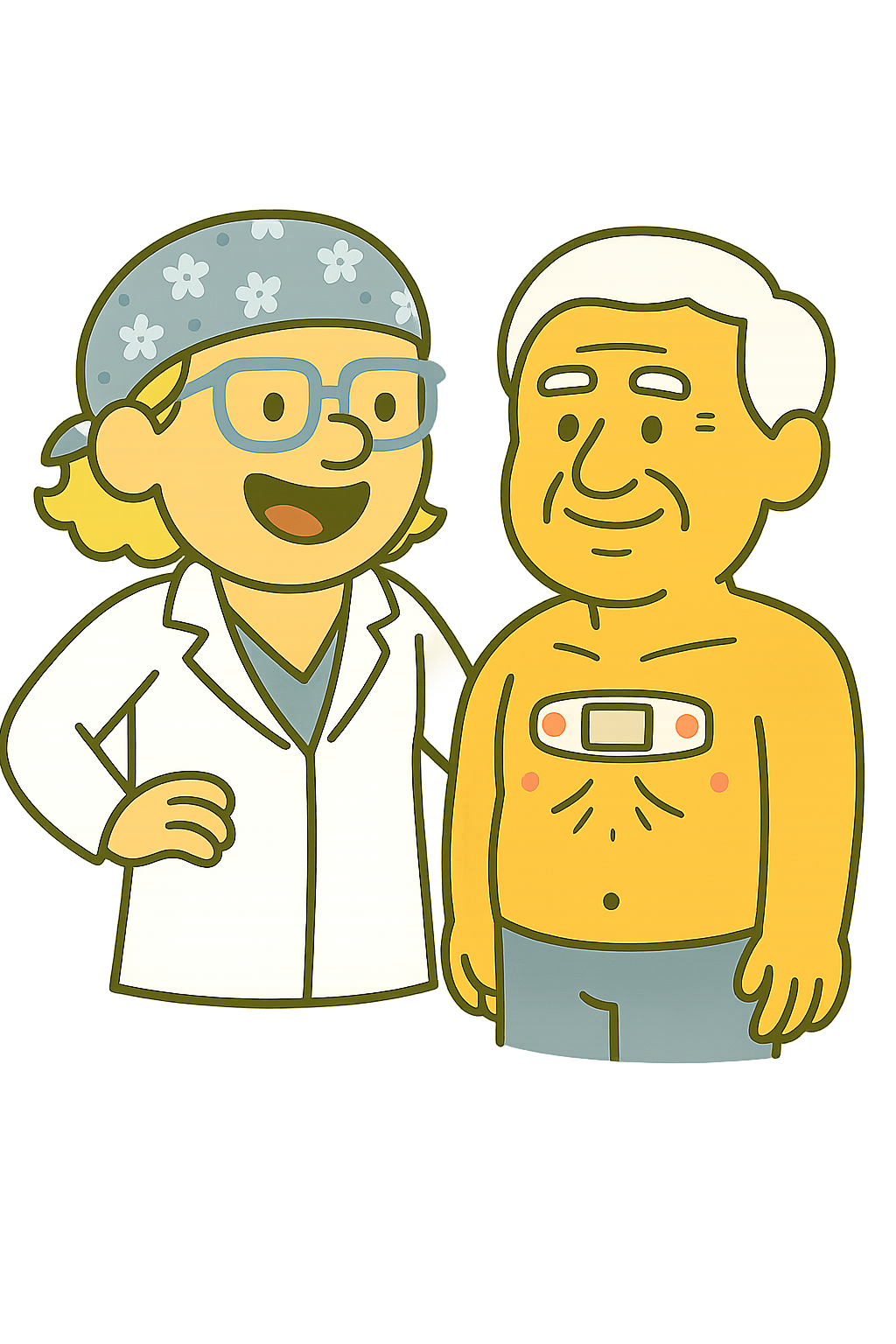
Patch Holters
Patch Holters are small, lightweight heart monitors that record your heart’s rhythm over several days or weeks (usually 7-14 days). Worn on your chest with adhesive patches, they continuously capture detailed heart activity to help detect irregular rhythms, skipped beats, or other changes that might not appear during a short clinic test. Because they’re wireless and discreet, you can go about your daily routine while your care team gains valuable insights to guide diagnosis and treatment.
How can I get involved?
Your cardiologist or another member of your care team may prescribe a Patch Holter as part of your heart testing.
Medical-Grade Devices
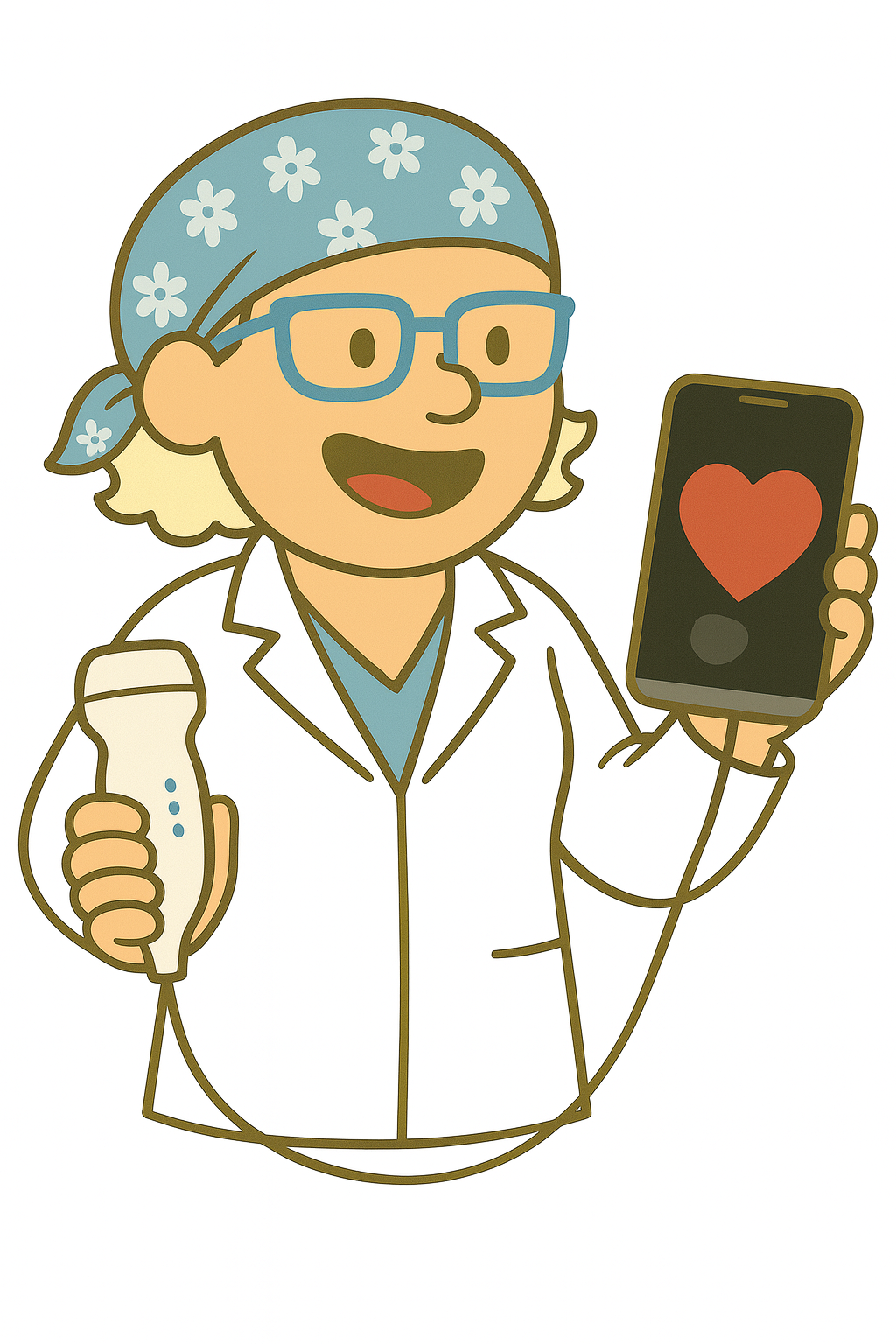
Portable Ultrasounds
Portable Ultrasounds are compact devices that allow clinicians to take quick, detailed images of your heart right at the bedside, or even in remote settings. Often utilizing artificial intelligence, these tools can help guide image capture and interpretation, making heart imaging faster and more accessible. They’re especially useful for assessing heart structure and function during appointments, in community clinics, or even at home, helping your care team make informed decisions about your heart health in real time.
How can I get involved?
Your cardiologist or another member of your care team may use a portable AI ultrasound as part of your heart testing.
Medical-Grade Devices
Continuous Blood Pressure Monitoring
Continuous blood pressure monitoring devices allow your care team to track your blood pressure throughout the day and night, not just during clinic visits. These small, wearable devices automatically record readings at regular intervals, giving a more complete picture of how your blood pressure changes during daily activities, sleep, and stress. This detailed information can help guide treatment decisions and support better long-term heart health management.
How can I get involved?
Your cardiologist or another member of your care team may prescribe a continuous blood pressure monitoring device as part of your heart testing.
Medical-Grade Devices
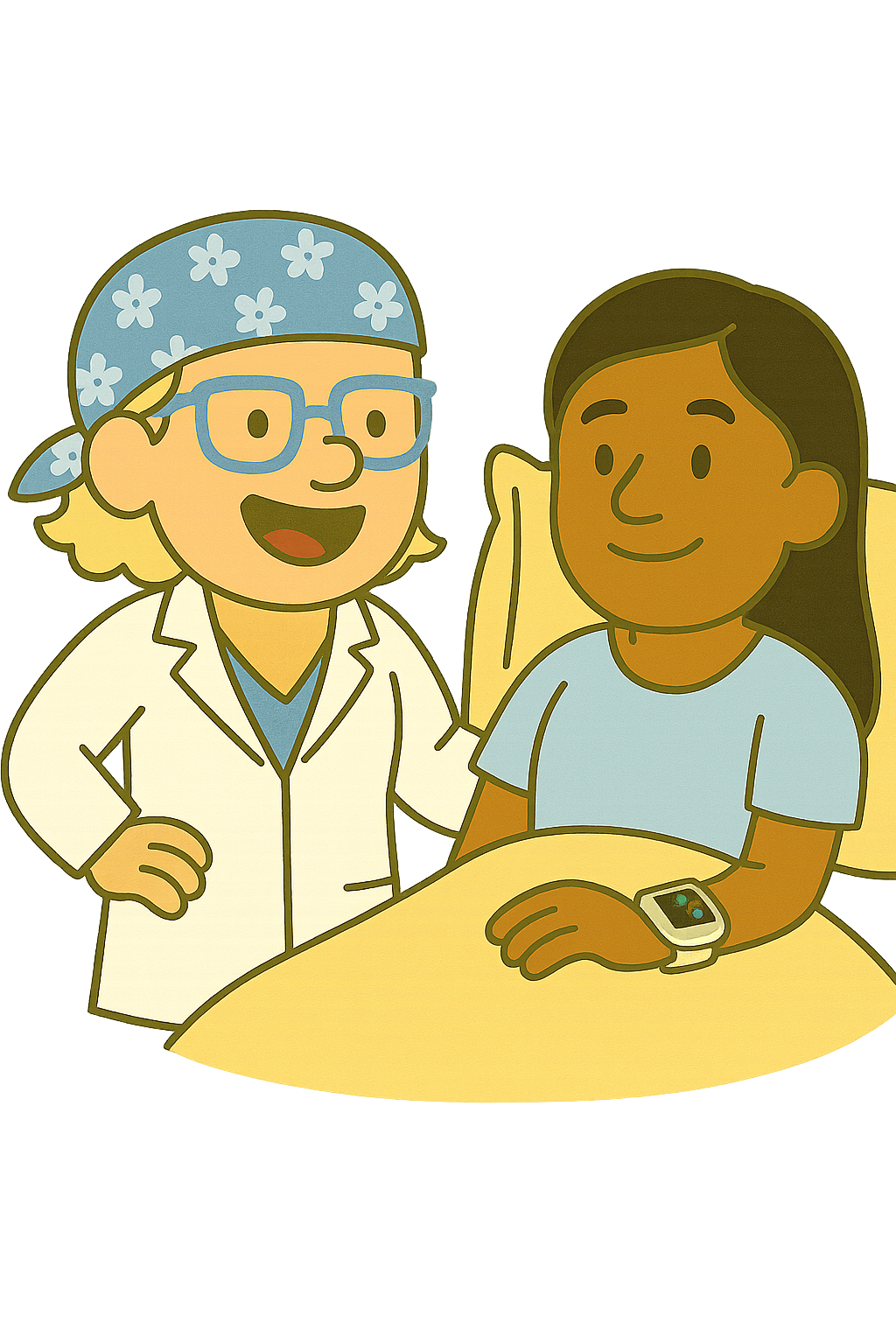
Pulse Oximeters
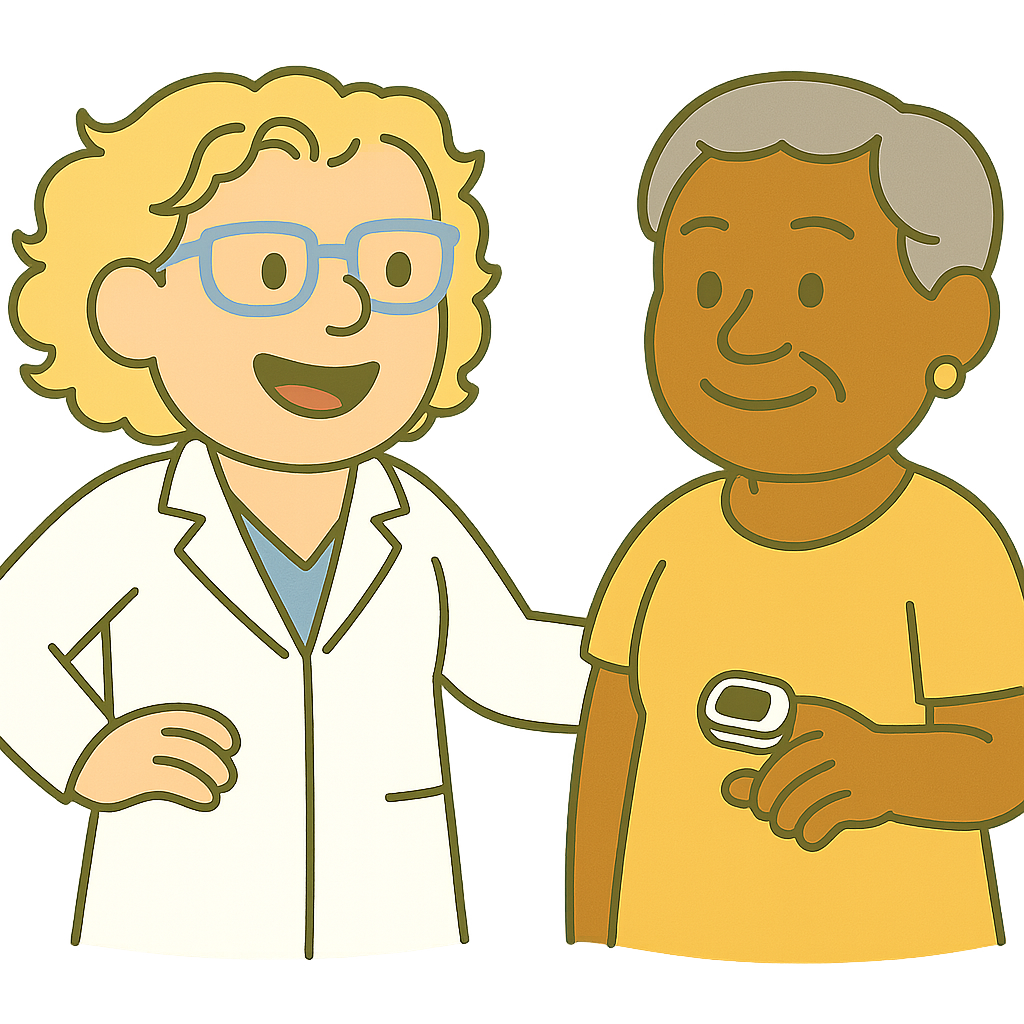
Pulse oximeters are small, devices that measure how much oxygen is in your blood, an important sign of how well your heart and lungs are working together. Usually worn on your fingertip, they use light to quickly check your oxygen levels and heart rate. These readings can help you and your care team monitor your condition, spot early warning signs, and make sure your heart is getting the oxygen it needs.
How can I get involved?
Your cardiologist may use a pulse oximeter during your appointments. Studies are currently underway to better understand the limitations of pulse oximeters for patients with varying skin tones. Keep an eye on the Studies in Recruitment page to see when new research opportunities become available.
Medical-Grade Devices
Sleep Apnea At-Home Testing
Sleep apnea rings are wearable devices designed to track your breathing and oxygen levels while you sleep at home. Worn comfortably on your thumb, they use sensors to detect pauses in breathing or drops in oxygen that may signal sleep apnea — a condition that can affect heart health. These rings are linked to an app on your phone and provide valuable information that can help your care team identify sleep-related breathing issues and guide treatment to support better sleep and a healthier heart.
How can I get involved?
Interested in learning more about sleep apnea rings and how they might support your heart health? Keep an eye on the Studies in Recruitment page to see when new research opportunities become available.
Research Devices
Earbuds
Researchers are exploring new ways to use everyday devices, including earbuds, to monitor heart health. Some advanced earbuds can detect subtle signals like heart rate, rhythm, and even breathing patterns while you listen to music or take calls. These innovations could help identify changes in heart function earlier and make continuous heart monitoring more comfortable and accessible.
How can I get involved?
Learn more about TRANSFORM HF’S current study underway to advance accessible blood pressure measurement with earbuds. Keep an eye on the Studies in Recruitment page to see when new research opportunities become available.

Research Devices
Smart Textiles
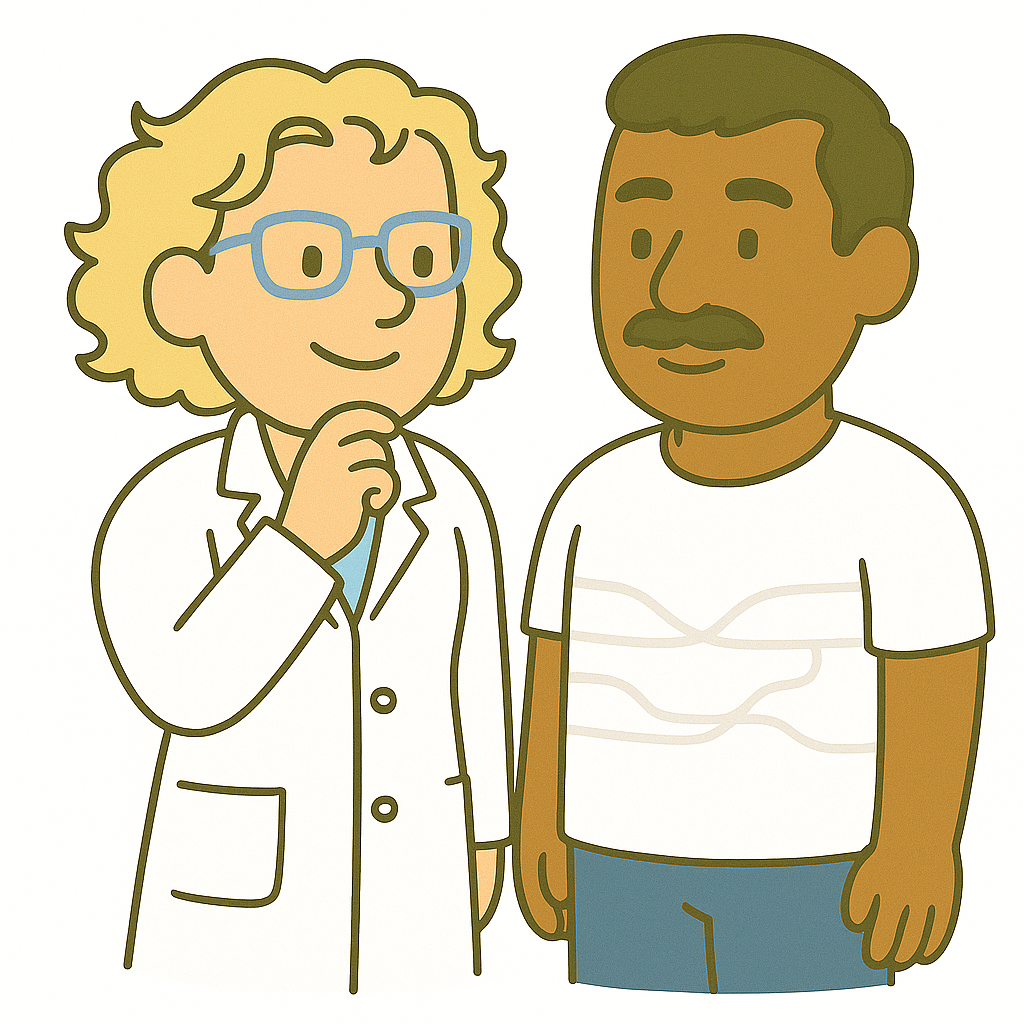
Smart textiles have sensors built right in the fabric that can monitor your heart rate, breathing, and movement. They look and feel like regular clothing, most commonly shirts or socks, but they continuously collect health data while you go about your day. For people living with heart conditions, smart textiles offer a comfortable and convenient way to track important information and share it with their care team, helping support ongoing heart health management.
How can I get involved?
Interested in learning more about smart textiles and how they might support your heart health? Keep an eye on the Studies in Recruitment page to see when new research opportunities become available.
Meet Dr. Heather Ross
Dr. Heather Ross is a Professor of Medicine at the University of Toronto, and Head of the Division of Cardiology at the Peter Munk Cardiac Centre. She is the site lead for the Ted Rogers Centre for Heart Research and holds the Loretta A. Rogers Chair in Heart Function and the Pfizer Chair in Cardiovascular Research. She co-invented Medly, a remote-patient monitoring tool, and leads TRANSFORM HF, an initiative dedicated to digital transformation in heart failure care.
Test Your Limits is an initiative Dr. Heather Ross started in 2006 to raise awareness and support for heart failure research, cardiac transplantation and heart health. Accompanied by doctors and transplant patients, the team has climbed in Nepal, trekked in Bhutan and skied to the North and South Poles. And through it all, thanks to generous people like you, Test Your Limits has raised over $4 million. Dr. Ross believes that the inspiration from their expeditions is all from Dale Shippam. If a heart transplant recipient can complete the intense training and conquer these grueling treks to climb mountains and reach the Poles after surviving advanced stage heart failure, then anyone can do it.