
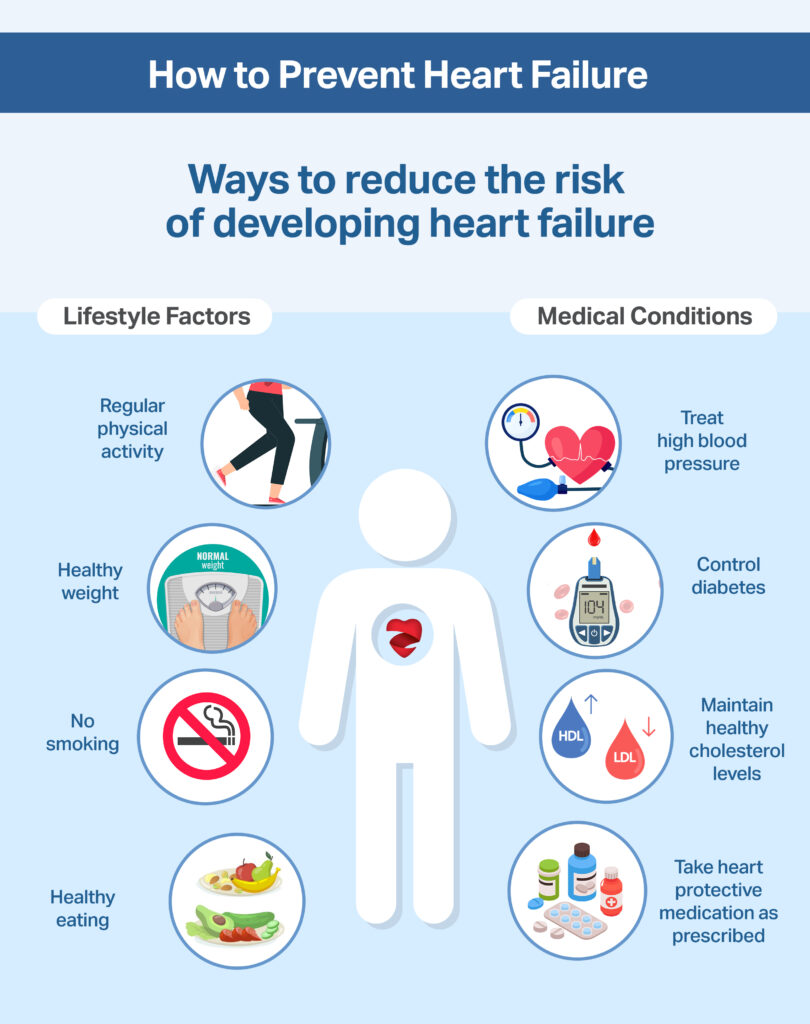
A healthy lifestyle and behaviours help reduce the risks of heart failure and related heart conditions. Making healthy choices and taking action on these risk factors can help prevent or reduce the chance of developing heart failure.
From staying active and eating well to managing blood pressure and cholesterol, these habits work together to build a strong foundation for long-term heart health.
Lifestyle Factors
Regular physical activity
Exercising regularly is crucial for preventing the progression of heart failure by reducing blood pressure, improving quality of life, and promoting a healthy weight. Adults are recommended to complete at least 150 minutes of moderate to difficult aerobic exercise per week. Learn more about how to get active and protect your heart here.
Healthy weight
Obesity is one of the primary modifiable targets for heart failure prevention. Maintaining or working toward a healthy weight is essential to prevent elevated blood pressure, high blood cholesterol, and type 2 diabetes. Managing your weight in small steps can ultimately reduce your risk of developing heart failure.
Routinely measure your waist circumference and Body Mass Index (BMI) to track and monitor your health risk. Check out Heart & Stroke’s healthy weight and waist page for measurement instructions and tips to achieve a healthier weight for you.
No smoking
Sustained smoking cessation is recommended to lower your risk of heart failure by reducing blood pressure and decreasing the strain on your heart. In fact, within just 24 hours of quitting smoking, your risk of heart attack starts to decrease. Quit or do not start smoking and avoid inhaling secondhand smoke as well. Visit Heart & Stroke’s smoking and tobacco page to learn more about how smoking increases your risk of developing heart failure and strategies to quit.
Healthy eating
A balanced, heart-healthy diet plays a vital role in heart failure prevention by managing your blood pressure and supporting your overall cardiovascular health. Focus on eating plenty of fruits, vegetables, and whole grains, while limiting your sodium intake to lower your CVD risk. Find helpful tips and healthy eating guides here.
Medical Conditions
Take heart protective medication as prescribed
There are a number of medications used for heart failure management, and they can work in different ways. Some medications might help relieve symptoms, reduce the strain on your heart, or strengthen its ability to pump effectively. Take heart protective medications as prescribed by your physician. Check out the Heart Failure Medications Guide to learn more.
Control diabetes
Diabetes (or impaired glucose tolerance) is a major cause of poor health. Over time, high glucose levels can damage blood vessels and increase your risk of heart failure. In fact, people with diabetes are twice as likely to develop heart disease. If you live with diabetes, controlling your blood sugar is an important practice to protect your heart. Work with your care team to set a blood sugar goal and monitor it regularly.
Maintain healthy cholesterol levels
Cholesterol is a fat-like substance found in your blood that plays an important role in your body’s overall function. Your liver naturally produces the cholesterol your body needs. However, cholesterol can also come from the foods you eat, especially if they’re high in saturated and trans fats.
Low density lipoprotein (LDL) is the “bad” kind of cholesterol. Too much LDL can raise your risk of heart failure. It is important to manage your cholesterol levels.
To keep your cholesterol at a healthy level, focus on:
- Eating a balanced diet
- Staying active with regular exercise
- Maintaining a healthy weight
Small lifestyle changes can add up to big heart health benefits. Find more information and recommendations to effectively manage your cholesterol at Heart & Stroke’s blood cholesterol page.
Heart Failure & High Blood Pressure
What is high blood pressure?
High blood pressure (hypertension) is the single most impactful risk factor for heart failure. Chronic high blood pressure puts strain on your heart and blood vessels, triggering harmful changes in the body. Over time, this pressure overload leads to fibrosis, vascular remodeling, and hypertrophy (the thickening of the walls of the heart), all of which contribute to the development of heart failure.
Treating high blood pressure
Blood pressure is heavily influenced by your lifestyle choices. Key factors include:
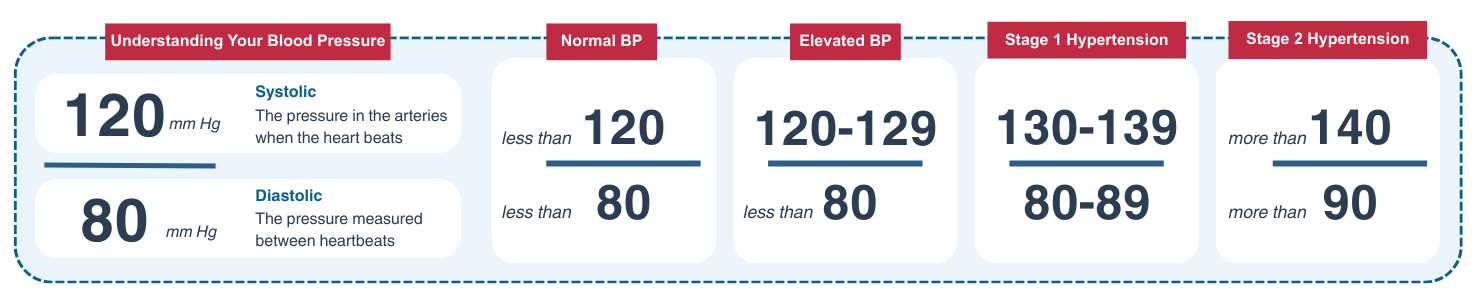
For adults, the general blood pressure treatment goal is less than 130/80 mm Hg, although treatment goals may be different for some individuals depending on other factors such as age and presence of other risk factors. Monitoring and managing your blood pressure regularly is essential for your heart health.
Understanding your blood pressure
To learn more, take a look at UHN’s brochure about controlling high blood pressure.
 Sharon Bray
 Paula Henderson
 Isabel Victal
 Cindy
Cindy